

Unlocking The Future
Of Kidney Health

The APOL1 gene holds powerful insight into kidney health, particularly among people of African ancestry. Around 15-20% of people of African ancestry carry the high risk variants, often without knowing it.  In West Africa, prevalence is ~40%.  Our mission is to raise awareness, connect communities and accelerate research that saves lives.

Hero Image

A Brief History of APOL1 Kidney Disease

Many generations ago, people in West Africa developed a natural defense in their genes to fight African sleeping sickness, a deadly infection.

This protection came from a gene called APOL1. But today, scientists have found that in some people, especially those of West African, Caribbean, and African American ancestry, changes in this same gene, called G1 and G2 variants, can increase the risk of kidney disease. Not everyone with these gene changes will get sick, but having two copies can make the kidneys more vulnerable, especially when other health factors are present.

In April 2024, kidney experts met in Accra, Ghana, and agreed to call this condition APOL1 Kidney Disease.  There’s no specific cure yet, but testing and awareness can help people understand their risk and protect their kidney health. Today, the same gene that once protected our ancestors is now helping us learn how to protect future generations
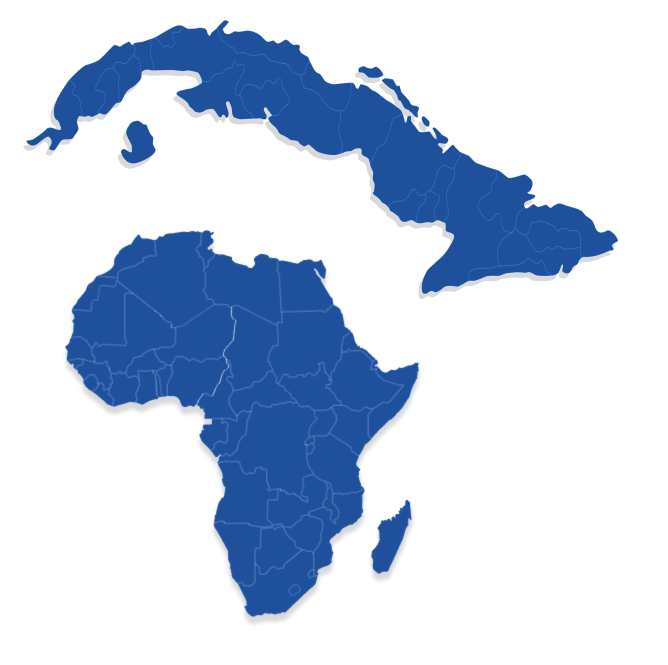

map of africa

Who is Affected?

World Map
Region 1

Across Sub-Saharan Africa, an estimated 100 million people carry two high-risk APOL1 alleles

Region 2

About 10%–15% of African Americans have the high-risk genotype (two APOL1 risk alleles).

Region 3

Outside Africa and the U.S., APOL1 variants are also found among people of African descent in: The Caribbean, Brazil, The United Kingdom, Belgium, and France

Health Conditions AssociatedWith APOL1 Kidney Disease

injection icon

Chronic Kidney Disease (CKD)

About 15–20% of individuals with high-risk genotypes develop CKD.

injection icon

Focal Segmental Glomerulosclerosis (FSGS)

Around 40–60% of people with primary FSGS have two APOL1 risk alleles.

injection icon

Hypertension-Attributed Kidney Disease

Found to be more common among individuals of African ancestry with APOL1 risk variants.

injection icon

HIV-Associated Nephropathy (HIVAN)

Individuals with two APOL1 risk alleles and HIV are at a much higher risk of developing HIVAN.

injection icon

COVID-Associated Nephropathy (COVAN)

APOL1 high-risk variants have been identified as major contributors to COVAN in people of African ancestry.

injection icon

Early Failure of Kidney Transplants

Donor kidneys with two APOL1 risk alleles show shorter graft survival compared to non-high-risk donors.

Community & Success Stories

Real Stories. Real Impact.

Identifying patients who may carry APOL1 risk variants is crucial because it holds the key to understanding why some individuals of African ancestry are at higher risk of kidney disease. As a clinician–scientist, my role is to bridge the gap between scientific insight and real-world patient care, ensuring that research translates into earlier identification, prevention, and better outcomes for those most affected. I’m deeply passionate about this work because it’s not just about science, it’s about equity, awareness, and empowering patients to protect their kidney health.

Dr Rachel Hung

Medical Collaborator

Join our community illustration

Join the Community

Be part of a growing network of patients, caregivers, and researchers shaping the future of healthcare together.